Understanding Colonial Home Construction
Colonial home construction embodies a rich tapestry of architectural history, influential design elements, and timeless elegance. These homes, rooted in America’s past, reflect the cultural nuances and geographical influences from the early settlers. As such, they remain a popular choice for contemporary homeowners seeking charm and character. In this comprehensive guide, we delve into every aspect of colonial home construction, from its historical context to modern interpretations, and how you can thoughtfully approach your own project. If you’re exploring the intricacies of colonial home construction, this article will serve as a beacon of valuable information.
History and Evolution of Colonial Architecture
The roots of colonial architecture trace back to the 1600s when settlers first brought architectural styles from their home countries. The earliest colonial homes in America were greatly influenced by English, French, Dutch, and Spanish designs. Over time, these styles evolved to harmonize with local conditions, materials, and cultural dynamics. For example, New England colonists predominantly utilized wood for framing due to its abundant availability, while those in the southern states often opted for brick, which was more resistant to high humidity.
As America expanded, so did the styles of colonial architecture. By the 18th century, we began to see the emergence of Georgian architecture, characterized by symmetry, proportion, and the use of classical elements, particularly in the northeastern regions. The late 18th and early 19th centuries brought the Federal style, which retained many Georgian principles but incorporated lighter, more delicate features.
Key Features of Colonial Homes
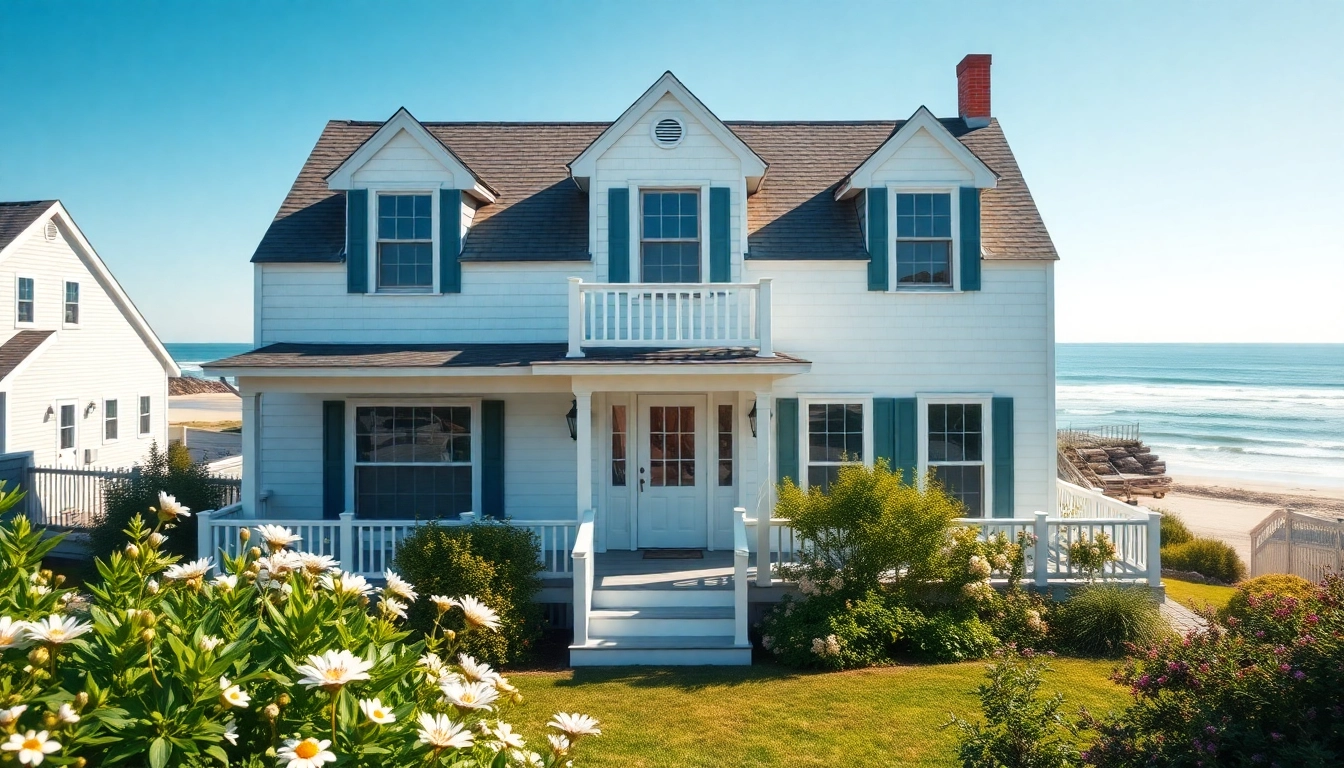
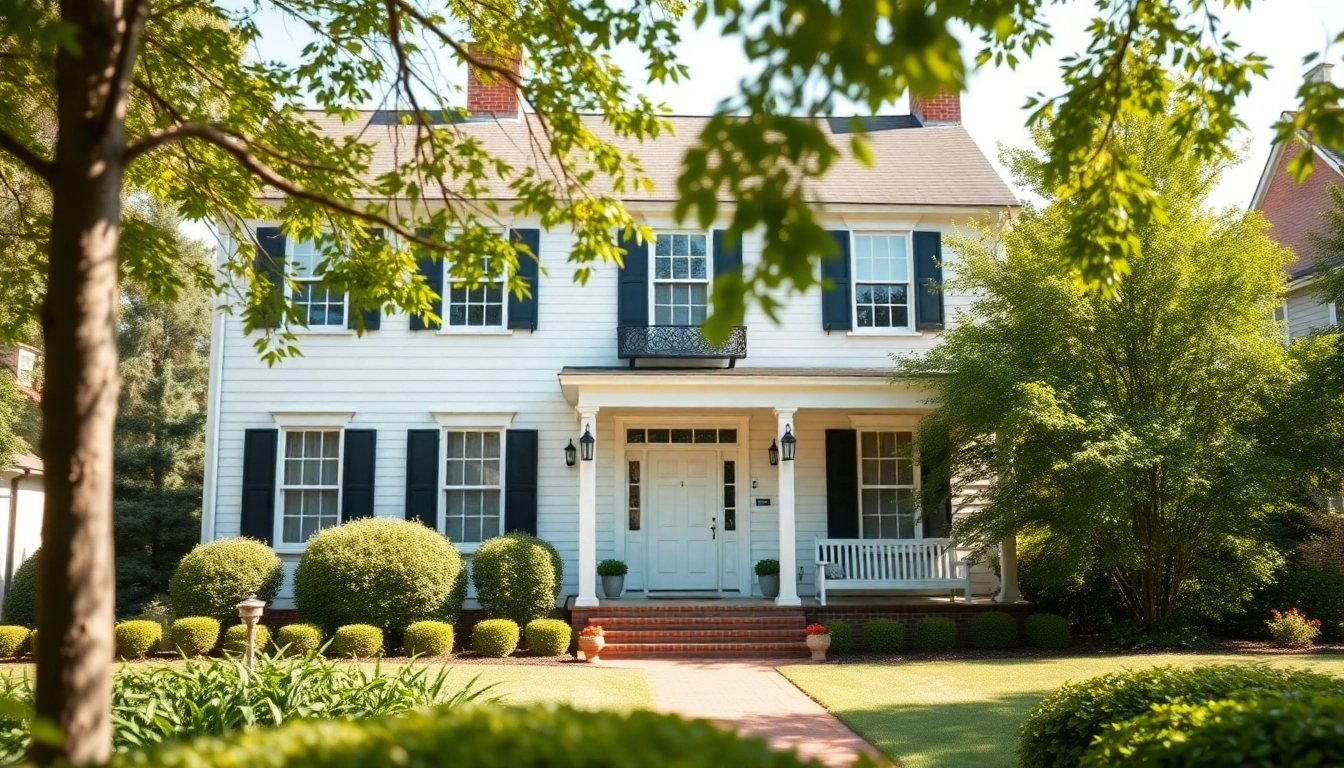
Colonial homes are distinguished by several hallmark features that echo their historical significance. One of the most notable characteristics is the use of symmetry in design, which can be observed in the façade, window placements, and entrances. Typically, a colonial home showcases a central front door flanked by evenly spaced windows above and below. Another defining aspect is the gabled roof, often steeply pitched, which is both aesthetically pleasing and functional, allowing for efficient water drainage and attic space.
Windows in colonial homes are usually double-hung with multiple panes, set within decorative frames that enhance the façade’s overall elegance. Materials like brick, wood, and stone are common, sometimes accompanied by shutters and decorative cornices for added charm. Furthermore, interiors often feature formal living spaces including parlors and dining rooms, designed for functionality and social gatherings.
Benefits of Choosing Colonial Home Construction
Opting for a colonial home offers numerous advantages, whether you are looking at new constructions or renovations. One significant benefit is the timeless aesthetic appeal that colonial styles exude. Their historic charm can seamlessly blend into various neighborhoods and landscapes, often increasing the property value in the long run.
Additionally, the robust construction techniques employed in colonial homes ensure longevity and durability. Many colonial designs are crafted to withstand the test of time, with intentional materials and structural integrity in mind. Energy efficiency can also be enhanced in modern adaptations of colonial homes, incorporating contemporary advancements while preserving historical elements.
Lastly, they foster a sense of community and connectivity, often designed to be welcoming and functionally oriented towards family living and social interaction. This architectural style can promote togetherness, making it a desirable choice for families.
Planning Your Colonial Home Construction
Site Selection for Colonial Home Construction
The first step in any successful building project is site selection. When choosing a location for your colonial home, consider the landscape, access to amenities, and local regulations. Colonial homes traditionally fit well within suburban neighborhoods or rural settings that offer enough space for their characteristic layout.
Look for sites that offer sufficient land for gardens or landscaping, as colonial homes often emphasize natural surroundings. Think about the orientation of the home concerning sunlight and wind patterns, as this can affect energy efficiency and overall comfort throughout the seasons. Proximity to schools, parks, and shopping centers will also contribute to the functionality of the home’s location.
Design Considerations for Colonial Homes
Designing a colonial home involves balancing traditional aesthetics with modern functionalities. Start by defining your vision and priorities. Consider how many bedrooms and bathrooms you require, whether you want an open floor plan, and your specific storage needs. Incorporate features such as porches and formal entryways that enhance the welcoming nature of colonial architecture.
Consulting with an architect or a designer who specializes in colonial homes can provide invaluable insights. They can help you navigate historical guidelines if you’re renovating a historical property and can suggest modern materials that honor traditional styles while promoting energy efficiency.
Budgeting for Colonial Home Construction
Budgeting is a critical aspect of any construction project. Begin by understanding the costs involved in colonial home construction, including land acquisition, materials, labor, and design services. Create a detailed budget that accounts for both expected expenses and a contingency fund for unforeseen obstacles.
Research material costs thoroughly, as using traditional materials may be more expensive yet essential for authenticity. Factor in potential financing options, as many institutions offer loans specifically for historic and colonial-style homes. Furthermore, align your budget with your timeline to ensure that financial constraints don’t derail your entire project.
Materials Used in Colonial Home Construction
Traditional vs. Modern Materials
Colonial homes historically utilized locally sourced materials, which significantly influenced their style and structure. Wood was the predominant material in New England, while brick and stone were favored in other regions. Today, these traditional materials can still be employed, but modern advancements have expanded the options available.
Modern colonial homes can incorporate engineered wood products, high-performance insulation, and durable composite materials that ensure both aesthetic appeal and efficient performance. The choice between traditional and modern materials will largely depend on your budget, goals, and the specific characteristics of the desired colonial style.
Eco-Friendly Materials for Colonial Homes
As sustainability becomes increasingly vital in home construction, eco-friendly materials gain traction, even in colonial home construction. Reclaimed wood, for example, is an excellent choice, offering both charm and sustainability. It can be used for framing, flooring, or décor elements, providing historical character while preserving natural resources.
Other eco-friendly options include bamboo flooring, recycled metal roofing, and high-efficiency windows that reduce energy consumption. Opting for sustainable materials not only contributes to environmental preservation but can also increase the home’s resale value by attracting eco-conscious buyers.
Durability and Maintenance Considerations
The durability of materials used in your colonial home affects maintenance requirements down the line. Traditional materials bring a rustic appeal but may require regular upkeep, such as repainting or sealing. In contrast, modern materials often offer lower maintenance solutions while replicating historic charm.
Investing in quality materials can decrease long-term repair and replacement costs, helping to maintain the home’s integrity. Regular inspections and timely maintenance can also prolong the life of your home, particularly for roofs, siding, and foundational elements.
Construction Techniques for Colonial Homes
Essential Skills for Builders in Colonial Home Construction
Building a colonial home demands specialized skills, particularly when emphasizing traditional construction techniques. Carpenters should be adept in joinery, ensuring that every timber connection is robust and historically accurate. Similarly, masons should understand traditional brick-laying methods, as these play a critical role in the home’s overall structure and aesthetic.
Consider engaging builders familiar with colonial architecture and its particular requirements. This specialized knowledge can help maintain authenticity and protect the structural integrity during construction.
Common Challenges During Construction
Colonial home construction often presents unique challenges, particularly when renovating existing structures. Issues such as outdated building codes, structural deficiencies, and the discovery of hazardous materials can arise. These can derail projects and lead to increased costs.
To mitigate these challenges, thorough inspections and planning must occur before construction begins. Always work with professionals who understand the intricacies of colonial design and local regulations. Having contingency plans will assist in addressing any unforeseen issues effectively.
Utilizing Technology in Colonial Home Construction
Modern technology plays a pivotal role in enhancing the construction of colonial homes. Building Information Modeling (BIM) can accurately simulate design elements, allowing architects and builders to visualize the end project. This technology aids in reducing errors during construction, improving efficiency, and streamlining communication among various stakeholders.
Furthermore, advancements in sustainable building practices, such as energy-efficient materials and smart home technologies, can be integrated into colonial designs, striking a balance between tradition and modern convenience.
Maintaining Your Colonial Home Post-Construction
Regular Maintenance Tasks for Colonial Homes
Once your colonial home is completed, regular maintenance becomes paramount. Creating a maintenance checklist tailored specifically to the unique features of your home is advisable. This may include inspecting the roof for damage, cleaning gutters, checking for signs of rot or pest infestation, and ensuring that external paint is chip-free.
It’s also essential to maintain historical features, such as wooden window frames and doors, to prevent decay or damage. Establishing a routine schedule for these tasks can help ensure your home retains its value and aesthetic appeal for generations.
Renovation Tips to Preserve Colonial Integrity
If you’re considering renovations, it’s crucial to respect the historical integrity of your colonial home. Use original materials where possible and consult experts in historic restoration to uphold architectural details and designs. Be mindful of the type of renovations you choose, aiming for improvements that enhance functionality without compromising historical features.
Consider addition styles that complement the home’s character; avoid modern designs that conflict with its classic appeal. Engaging an architect with experience in colonial home renovation can guide you through this process effectively.
Resources for Colonial Homeowners
Numerous resources are available for those constructing or maintaining colonial homes. Organizations dedicated to historical preservation often provide valuable guidelines, resources, and funding opportunities. Local conservation societies can also be a great source of knowledge concerning restoration techniques and materials suitable for colonial architecture.
Online forums and resources specific to colonial homeowners can share tips, experiences, and advice about living in and maintaining these homes. Books focused on colonial architecture can also serve as knowledge banks, guiding homeowners through preservation challenges.
FAQs
What defines a colonial home?
Colonial homes are characterized by symmetrical facades, gabled roofs, and brick or wood siding, reflecting early American architectural styles.
What materials are used in colonial home construction?
Common materials include brick, wood, and stone. Modern colonial homes may also incorporate energy-efficient materials for sustainability.
Are colonial homes energy efficient?
While traditional colonial homes may not be, many modern constructions utilize energy-efficient technologies to enhance sustainability.
How long does colonial home construction typically take?
The duration varies based on design complexity and weather conditions, but it generally ranges from several months to over a year.
What are common design elements of colonial homes?
Features often include symmetrical windows, central doors, and formal living spaces, creating a traditional yet elegant layout.