Understanding Cape Cod Homes
Cape Cod homes are among the most iconic and revered architectural styles in the United States, characterized by their charming simplicity and elegant design. Originally inspired by the colonial houses of early New England settlers, these homes often feature steep roofs, dormer windows, and clapboard siding. Their enduring popularity can be attributed to their aesthetic appeal, functionality, and adaptability. For homeowners looking to expand or enhance their existing spaces, the unique qualities of cape cod homes provide ample opportunity for renovation and expansion.
Historical Background of Cape Cod Homes
The Cape Cod style originated in the early 17th century, designed to withstand the harsh New England winters. The first settlers crafted these homes using local materials, often utilizing timber frameworks. As the years progressed, the style evolved, with adaptations to incorporate modern conveniences while retaining its classic essence. The homes are steeped in history, representing the resilience and resourcefulness of their original inhabitants. This historical legacy adds a layer of character and charm, appealing to those who appreciate cultural heritage in their living spaces.
Architectural Design Elements
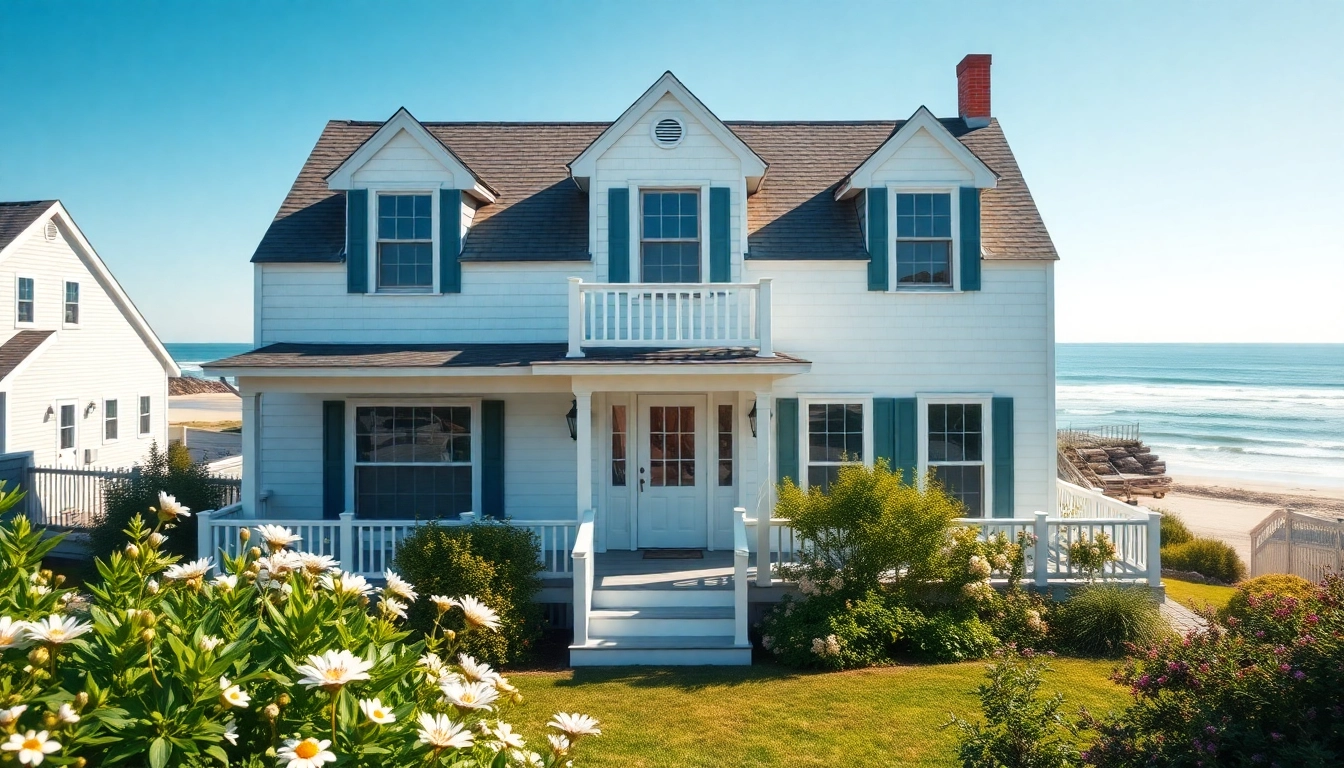
Cape Cod homes are distinct with their symmetrical facades, centrally located front doors, and low-hanging eaves. The steep roof pitch is not just for aesthetics; it serves a practical purpose by preventing snow accumulation. Dormers are often added to these homes to introduce natural light into the upper levels. Traditional materials such as wood clapboard siding and natural stone lend a rustic appeal, while modern adaptations may include energy-efficient windows and sustainable materials that align with today’s eco-conscious values.
Influence of Location on Style
The location of Cape Cod homes significantly impacts their style and functionality. Coastal environments require specific adaptations, such as raised foundations to protect against flooding and salt-resistant materials for durability. Homes near the beach often embrace an airy, open layout conducive to the relaxed coastal lifestyle, encouraging indoor-outdoor living. In contrast, residences located inland may prioritize warmth and insulation, illustrating how geography influences design without sacrificing the quintessential Cape Cod charm.
Key Characteristics of Cape Cod Homes
Understanding the defining characteristics of Cape Cod homes is essential for homeowners, builders, and architecture enthusiasts alike. Their straightforward yet sturdy design elements contribute to their lasting appeal.
Exterior Features and Materials
The exterior of a Cape Cod home is often defined by a combination of traditional and modern materials. The exterior siding typically consists of wood clapboard painted in muted, natural colors to blend with the landscape. Roofs are usually steep pitched and covered in asphalt shingles or cedar shakes, both of which withstand the elements effectively. Many homes also feature large chimneys made of brick or stone, enhancing both the visual interest and functionality, as they often serve as the home’s primary heating source.
Interior Design and Layout
Inside, Cape Cod homes are known for their functional and cozy layouts. The most common design consists of a central living space flanked by bedrooms on either side, optimizing space and providing ease of movement. Often, a fireplace serves as the focal point of the main living room, contributing to the homey atmosphere. Open floor plans are increasingly popular in modern interpretations, allowing for natural light and fluidity between spaces, enhancing connectivity among family members and guests.
Energy Efficiency in Modern Styles
As sustainability grows in importance, many Cape Cod homes are being retrofitted with energy-efficient features. This includes improved insulation, energy-efficient windows, and eco-friendly building materials. Many homeowners also incorporate solar panels, geothermal heating, and other sustainable technologies, making Cape Cod homes not only aesthetic but also eco-conscious. This evolution supports the modern desire for homes that are both charming and sustainable.
Benefits of Owning Cape Cod Homes
Owning a Cape Cod home presents various benefits that contribute to enhanced living experiences and long-term value.
Community and Lifestyle Advantages
Cape Cod homes are often situated in vibrant communities that foster a strong sense of belonging. The traditional beach town lifestyle encourages outdoor activities such as biking, surfing, and hiking, fostering a healthy lifestyle. Many neighborhoods are family-oriented, providing access to schools, parks, and local amenities that promote community interaction. The relaxed pace and picturesque surroundings of Cape Cod provide numerous opportunities for leisure and enjoyment, attracting nature lovers and those seeking tranquility.
Investment Potential in Real Estate
Investing in Cape Cod homes can yield promising financial returns. The enduring popularity of the Cape Cod architectural style contributes to stable property values, making it a sound investment. Additionally, the strong rental market in these communities offers opportunities for homeowners to generate income, especially during peak vacation months. Buyers seeking both a primary residence and a potential income source often find Cape Cod homes an attractive choice.
Tailoring Renovations for Comfort
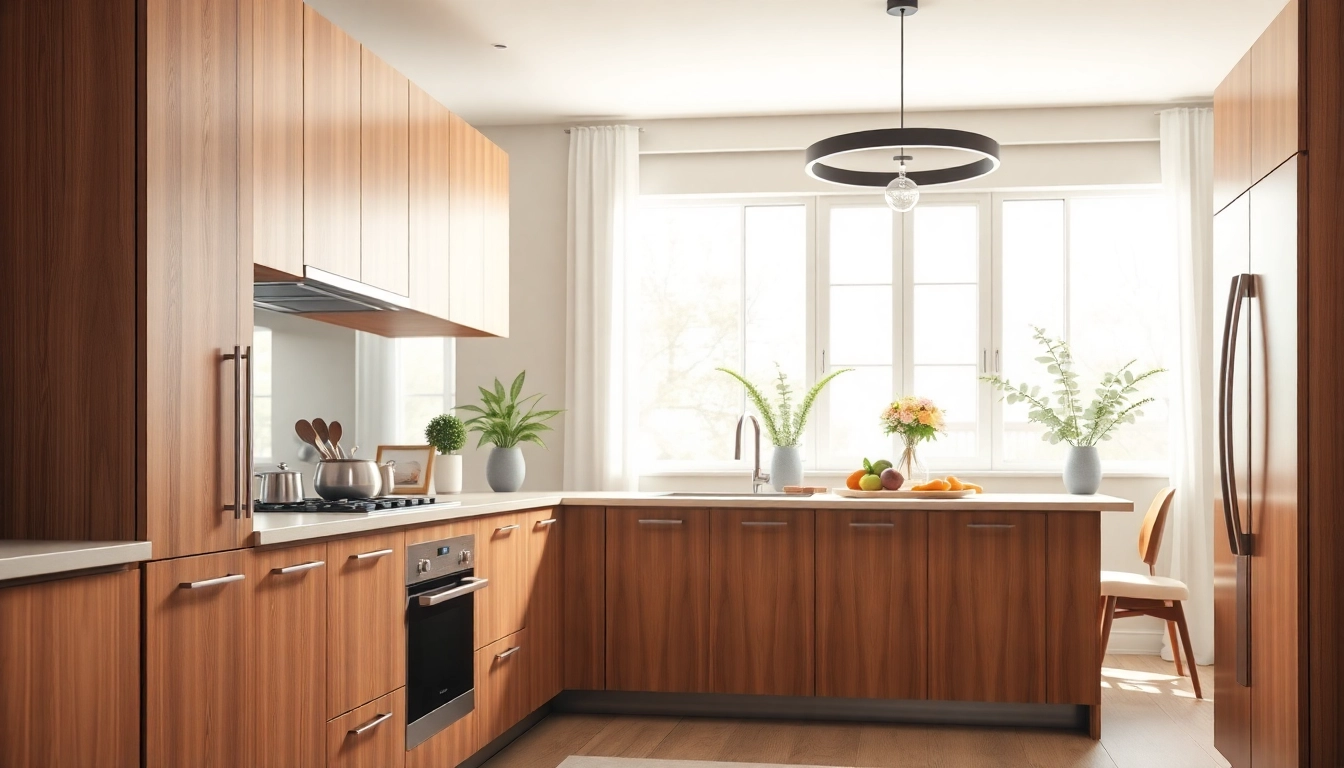
Many Cape Cod homeowners take pride in personalizing their spaces through thoughtful renovations. Given the classic nature of the design, updates can enhance comfort and functionality without compromising the home’s character. Common renovations include adding bathrooms, expanding living areas, or upgrading kitchens to meet modern needs. Thoughtful renovations respect the home’s historical essence while enhancing daily living experiences.
Maintenance Tips for Cape Cod Homes
Proper maintenance is essential for preserving the charm and integrity of Cape Cod homes. Regular upkeep not only prolongs the life of the structure but also protects its aesthetic appeal.
Seasonal Care Best Practices
Seasonal maintenance tasks are crucial for Cape Cod homeowners. In spring, examining the roof for damage and cleaning gutters are vital to prevent water accumulation. Summer is ideal for painting or staining the exterior wood, ensuring protection from the sun and moisture. Fall brings the necessity of winterizing systems, such as draining outdoor faucets and ensuring heating systems are in working order. In winter, regular checks for ice damming around roofs and ensuring proper insulation contribute to maintaining home safety and comfort.
Preserving Exterior and Roof
The exterior of Cape Cod homes is subject to wear due to natural elements. Regular inspections for rot, peeling paint, or signs of water damage help maintain the structural integrity. Cleaning roofs and gutters can prevent issues related to standing water and vegetation growth, which can compromise both the roof’s life and the home’s appearance. Consider using a pressure washer to clean siding and remove dirt or algae buildup, enhancing the home’s curb appeal.
Interior Upkeep: Maintaining Charm
Inside, preserving the character and charm of Cape Cod homes requires attention to detail. Regular cleaning of wood surfaces, maintaining the fireplace, and ensuring heating systems operate efficiently are vital to creating a welcoming atmosphere. Utilizing gentle cleaning products on original woodwork and maintaining consistent humidity levels supports the longevity of the interior finishes. Seasonal decoration can also enhance the warmth and coziness typically associated with Cape Cod homes, making them inviting spaces year-round.
FAQs About Cape Cod Homes
What makes Cape Cod homes unique?
Cape Cod homes are unique due to their simple yet charming architecture, characterized by steep roofs, symmetrical facades, and classic New England materials. They balance historical significance with modern comforts, making them both functional and aesthetically pleasing.
How can I maintain a Cape Cod home?
Maintenance involves seasonal inspections, regular cleaning, and necessary repairs. Focus on preserving the exterior and keeping the roof and gutters clean while maintaining the interior charm with careful upkeep and gentle cleaning methods.
Are Cape Cod homes energy-efficient?
Many Cape Cod homes are being retrofitted with energy-efficient features, including better insulation and modern windows. Sustainable technologies like solar panels are also becoming common, improving their energy efficiency without sacrificing style.
What are the typical features of Cape Cod homes?
Typical features include steeply pitched roofs, central chimneys, dormer windows, and wood clapboard siding. Interiors often feature functional layouts with an inviting living space and cozy bedrooms, maintaining a classic yet comfortable living environment.
Why are Cape Cod homes popular?
The popularity of Cape Cod homes stems from their timeless design, community-oriented lifestyle, and historical charm. They evoke nostalgia while providing modern amenities, making them appealing for both families and retirees.