Understanding Mitsubishi Mini Split AC Systems
Mitsubishi mini split AC systems are increasingly becoming a popular choice for homeowners seeking efficient and flexible heating and cooling solutions. Designed to offer customized comfort, these systems come equipped with a variety of features that cater to diverse climate control needs. If you’re considering upgrading your home climate control, exploring mitsubishi mini split ac options can provide valuable insights into optimizing your indoor environment.
What is a Mitsubishi Mini Split AC?
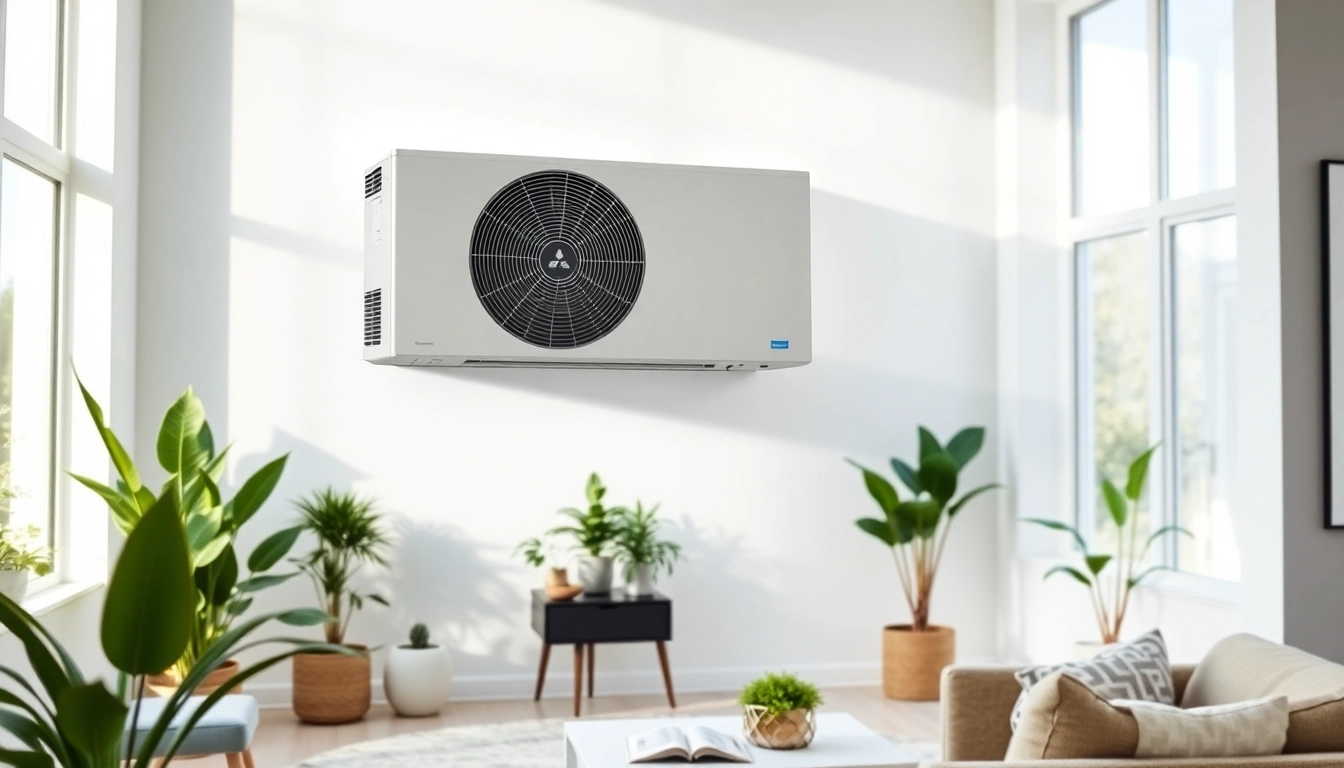
A Mitsubishi mini split AC system is a type of ductless air conditioning unit that allows for individualized temperature control in different areas of your home. Unlike traditional HVAC systems, mini splits consist of two main components: an outdoor compressor unit and one or more indoor air-handling units. This design eliminates the need for ducting, making installation more flexible and often less invasive.
Key Components and Features
The key components of Mitsubishi mini split AC systems include:
- Outdoor Unit: Contains the compressor and heat exchange system, responsible for transferring heat outside during cooling or inside during heating.
- Indoor Unit: This component distributes the cooled or heated air within the space, available in various types such as wall-mounted, ceiling-recessed, or floor-mounted units to fit different design preferences.
- Refrigerant Lines: Connect the indoor and outdoor units, facilitating the transfer of refrigerant to maintain the desired temperature.
- Thermostat Control: Nowadays, many mini split systems come with smart technology, allowing users to control temperature settings remotely via smartphone apps.
Benefits of Mini Split Systems Over Traditional AC
Choosing a Mitsubishi mini split AC comes with numerous advantages compared to traditional air conditioning systems, including:
- Energy Efficiency: Mini splits use inverter technology, which adjusts compressor speed to maintain the desired temperature while consuming less energy.
- Flexible Installation: The absence of ductwork means that mini splits can be installed in various locations, even where conventional AC systems would be impractical.
- Cost-Effective Operation: Reduced energy consumption often translates to lower utility bills and a better return on investment over time.
- Improved Air Quality: Ductless systems avoid the dust and allergens that can accumulate in ductwork, ensuring cleaner air circulation in your home.
Installation Process for Mitsubishi Mini Split AC
Preparing Your Space for Installation
Before installation, evaluate the areas you wish to cool or heat. Consider factors like room size, ceiling height, and insulation quality. Conducting a manual J load calculation can help determine the appropriate size and number of mini split units needed for effective climate control. Make sure to clear any obstructions around where the indoor unit will be mounted, ensuring optimal airflow.
Steps for Proper Installation
Installing a Mitsubishi mini split AC system typically follows these steps:
- Mark Locations: Using a level, mark the locations for both the outdoor and indoor units.
- Drill Holes: Drill a hole through the wall for the refrigerant lines and drain pipe, taking care not to damage existing wiring or plumbing.
- Mount the Indoor Unit: Securely attach the indoor unit to the wall mount, ensuring connections allow for drainage and airflow.
- Install the Outdoor Unit: Place the outdoor unit on a stable platform, ensuring it’s elevated to avoid water accumulation.
- Connect Lines: Attach the refrigerant lines, drain line, and electrical wiring as per manufacturer instructions.
- Test the System: Once everything is connected, follow the startup procedure and test the system’s functionality.
Hiring Professionals vs. DIY Installation
While DIY installation of mini split systems is possible, hiring a professional HVAC technician is often advisable. Certified professionals can ensure the system is installed correctly and efficiently, avoiding common pitfalls associated with improper installation. This not only enhances system performance but also protects your warranty rights and guarantees compliance with local building codes.
Maintenance and Care for your Mitsubishi Mini Split AC
Regular Maintenance Tasks
To maintain peak efficiency and extend the life of your Mitsubishi mini split AC, regular maintenance tasks should include:
- Cleaning Air Filters: Check and clean or replace air filters monthly, especially during peak usage seasons.
- Inspecting Coils: Ensure that both indoor and outdoor coils are free of dirt and debris, which can hinder performance.
- Checking Refrigerant Levels: Monitor refrigerant levels to ensure the system is functioning optimally; low levels can indicate leaks.
- Scheduling Annual Maintenance: Set up professional inspections yearly to check for issues that might not be visible during routine maintenance.
Troubleshooting Common Issues
Common issues with Mitsubishi mini split systems may include strange noises, temperature inconsistencies, or issues with remote operation. Many minor problems can be fixed by checking the air filters or ensuring that the outdoor unit is free of obstructions. For persistent issues, refer to the troubleshooting guide in the user manual, which typically provides solutions for common user errors.
When to Call a Technician
If you notice persistent issues like unusual noises, refrigerant leaks, or drastic variations in temperature that cannot be resolved through basic troubleshooting, it’s time to call a professional technician. They can diagnose deeper issues that may require advanced tools and expertise.
Efficient Use of Mitsubishi Mini Split AC in Your Home
Optimizing Temperature Settings
To maximize comfort and efficiency, set your Mitsubishi mini split AC to a comfortable yet economical temperature—generally, 78°F in summer and 68°F in winter is recommended. Utilizing smart thermostats can further enhance energy efficiency by adjusting settings based on your schedule.
Smart Ways to Reduce Energy Consumption
To further decrease energy consumption, consider utilizing timers or programmable thermostats that align with your family’s routines. Additionally, closing curtains or blinds during peak sun hours can reduce heat gain indoors, lessening the load on your cooling system.
Creating Comfortable Zones in Your Home
One of the significant advantages of Mitsubishi mini split AC systems is their zoning capability. Utilize this feature to set different temperatures in various rooms depending on their use. For example, keep living areas cooler while maintaining warmer temperatures in less frequently used rooms.
Frequently Asked Questions about Mitsubishi Mini Split AC
What is the lifespan of a Mitsubishi mini split AC?
The typical lifespan of a Mitsubishi mini split AC system is about 15 to 20 years with proper maintenance. Regular checks can help prolong its life.
How energy-efficient are Mitsubishi mini split systems?
Mitsubishi mini split systems are known for high energy efficiency ratings, often boasting SEER ratings above 20, which significantly reduces energy costs compared to traditional systems.
Can I install a Mitsubishi mini split AC myself?
While it is possible to DIY install a Mitsubishi mini split AC, it is advisable to hire a qualified technician to ensure correct placement and compliance with regulations.
What maintenance does a Mitsubishi mini split AC need?
Regular maintenance includes cleaning or replacing air filters, cleaning coils, checking refrigerant levels, and scheduling annual professional maintenance.
How do I know which size Mitsubishi mini split AC to buy?
Determine the required size by calculating room dimensions and considering insulation quality, using a manual J load calculation for accuracy.