Understanding Electric Forklifts: Overview and Benefits
Electric forklifts have revolutionized material handling, particularly in modern warehouses and construction sites. With increasing demands for efficiency and sustainability, electric models offer a versatile solution that prioritizes both performance and environmental responsibility. When exploring options, Best electric forklift in Texas provides comprehensive insights on the latest technologies and models available to enhance operational efficiency.
What Makes the Best Electric Forklift in Texas?
The best electric forklift in Texas typically possesses a combination of power, maneuverability, and sustainability. These machines offer significant advantages over traditional gas or diesel-powered forklifts, making them particularly suitable for both indoor and outdoor applications. Key features to look out for include robust battery life, compact dimensions for tight spaces, and advanced safety systems that ensure operator security.
Advantages of Electric Forklifts Over Traditional Options
- Environmental Impact: Electric forklifts produce zero emissions, making them ideal for indoor warehouse spaces and environmentally conscious companies.
- Operational Cost: They generally have lower fuel and maintenance costs compared to internal combustion models.
- Noise Reduction: Electric models operate much quieter, which is beneficial in noise-sensitive environments.
- Simplicity of Use: Electric forklifts are easier to operate, often featuring simplified controls and ergonomics that enhance operator comfort and productivity.
Key Features to Look for in Electric Forklifts
When selecting an electric forklift, several critical features should be prioritized:
- Battery Capacity: A high-capacity battery is essential for longer operational hours and reduced downtime.
- Load Capacity: Ensure the forklift can handle the maximum weight you will be lifting.
- Maneuverability: Look for models that can navigate tight spaces, especially in crowded warehouses.
- Safety Features: Invest in forklifts equipped with advanced safety systems, such as automatic braking systems, stability control, and operator presence systems.
Choosing the Right Electric Forklift for Your Needs
Choosing the right electric forklift requires a careful assessment of your operational needs and constraints. Knowing exactly what tasks the forklift will perform is vital in making a sound investment.
Assessing Your Material Handling Requirements
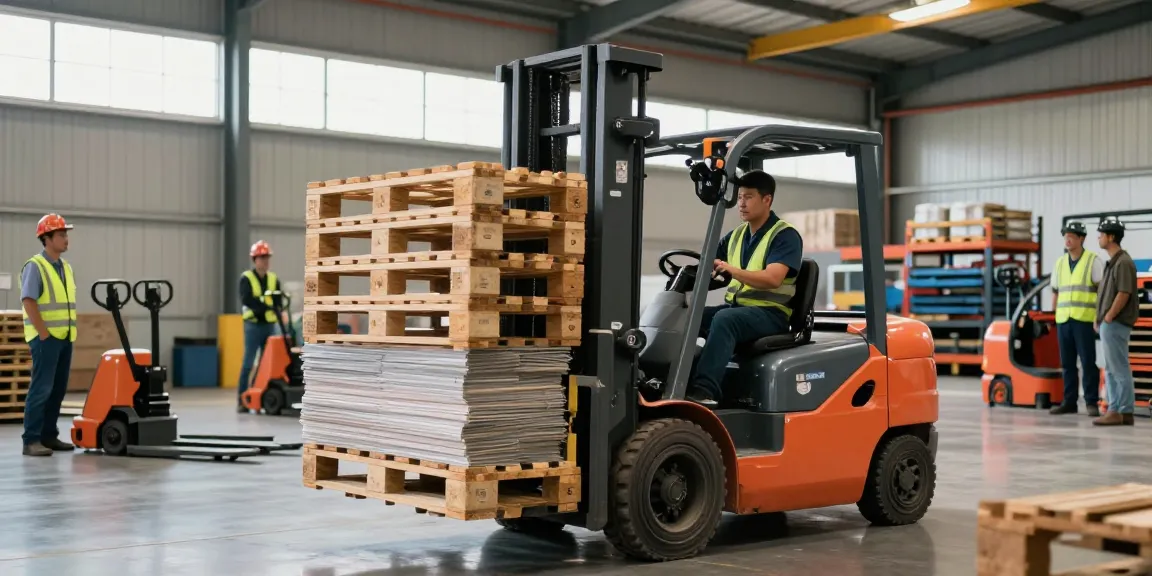
Begin by evaluating the types of materials you will be handling. Consider weight, size, and the frequency of movement. For example, a business that regularly moves pallets of goods may require a forklift with higher load capacity and longer reach. Alternatively, if the focus is on maneuvering through tight aisles, a compact forklift may be more suitable.
Size and Capacity Considerations for Electric Forklifts
The size of the forklift directly correlates with its capacity to navigate your working environment. Consider the following:
- Height Restrictions: Ensure the forklift can operate effectively in areas with low ceilings.
- Weight Capacity: Choose a forklift that supports the heaviest loads you anticipate lifting.
- Turning Radius: A smaller turning radius can enhance maneuverability in tight spaces.
Matching Forklift Types to Specific Industry Applications
Each industry has specific requirements, and matching the right forklift type to these applications is crucial. For instance:
- Warehousing: Electric pallet jacks and stackers are commonly utilized for their ease of use and efficiency.
- Construction: Electric telescopic wheel loaders are suited for heavy-duty tasks requiring reach and capacity.
- Retail: Smaller, agile electric forklifts work best for inventory management and order fulfillment in retail settings.
Maintenance and Care for Electric Forklifts
Proper maintenance of electric forklifts is essential for maximizing performance and lifespan. By adhering to recommended maintenance schedules, operators can prevent costly downtime and ensure safety.
Essential Maintenance Routine for Electric Forklifts
A routine maintenance schedule should include:
- Regular battery checks and timely recharging to avoid damage.
- Routine inspection of tires and forks for wear and tear.
- Lubrication of moving parts to ensure smooth operation.
- Regular cleaning to prevent dirt and debris from affecting operation.
Common Issues and Troubleshooting Tips
Operators should be vigilant for common issues such as:
- Battery Problems: If the forklift is not holding a charge, it may indicate a need for battery replacement or servicing.
- Hydraulic Failures: Leaks or inefficiencies in hydraulic systems can significantly affect performance.
- Electrical Issues: Malfunctioning lights or indicators can be an early sign of electrical problems.
Maximizing Lifespan Through Proper Care
To get the most out of electric forklifts:
- Implement scheduled maintenance checks.
- Train operators on proper use and care of equipment.
- Utilize condition monitoring technologies to identify issues before they become serious problems.
Innovative Trends and Future of Electric Forklifts
The electric forklift sector is advancing rapidly, driven by technological innovation and changing market demands. Keeping abreast of these trends will prepare businesses for the future.
Emerging Technologies in Electric Forklift Design
New technologies enhancing electric forklift capabilities include:
- Advanced battery technologies, such as lithium-ion, that offer faster charging and longer life.
- Integration of telematics for enhanced fleet management and operational insights.
- Autonomous driving capabilities to improve efficiency and reduce labor costs.
Impact of Automation on Electric Forklift Usage
Automation in warehouses is on the rise, with electric forklifts playing a central role. Automated guided vehicles (AGVs) can streamline operations, reduce human error, and lower operating costs when paired with electric models.
Future Predictions for Electric Forklifts in Warehousing
Looking ahead, experts predict that the demand for electric forklifts will continue to grow, particularly in urban settings where emissions regulations are becoming stricter. In addition, trends toward sustainability will likely drive the adoption of electric models across various industries.
Customer Experiences and Testimonials
Customer feedback can provide valuable insights into the performance and reliability of electric forklifts. Many Texas businesses have shared their success stories, highlighting the operational efficiency gained through their electric forklifts.
Real-Life Success Stories from Texas Businesses
Many companies have seen tangible benefits after transitioning to electric forklifts. For instance, a local distribution center reported a 30% increase in productivity after switching from gas-powered to electric models due to reduced downtime and quieter operations.
How Electric Forklifts Improved Efficiency for Clients
Clients often note that electric forklifts allow for faster load handling and improved safety in their operations. The use of advanced safety features not only protects operators but also minimizes product damage, enhancing overall efficiency.
What to Expect When Purchasing Electric Forklifts
Purchasing electric forklifts can be a seamless process when working with knowledgeable suppliers. Customers can expect personalized service, comprehensive training, and ongoing support to ensure the forklifts perform optimally throughout their lifespan.
What is the best electric forklift for small businesses?
For small businesses, compact electric forklifts with good load capacity and maneuverability are often recommended to efficiently handle of moves within limited spaces.
How do electric forklifts compare to propane forklifts?
While propane forklifts can offer immediate power, electric models provide cleaner operation, lower maintenance costs, and the ability to work indoors without harmful emissions.
What are the environmental benefits of electric forklifts?
Electric forklifts significantly reduce carbon footprints, as they operate with zero emissions, contributing to a greener workplace and improved air quality.
Can electric forklifts handle heavy loads?
Yes, many electric forklifts are designed specifically for high-load applications, making them reliable options in warehouses and manufacturing environments.
What maintenance does an electric forklift require?
Electric forklifts require less maintenance compared to their gas counterparts, focusing primarily on battery care, tire checks, and periodic inspections of forks and safety devices.