
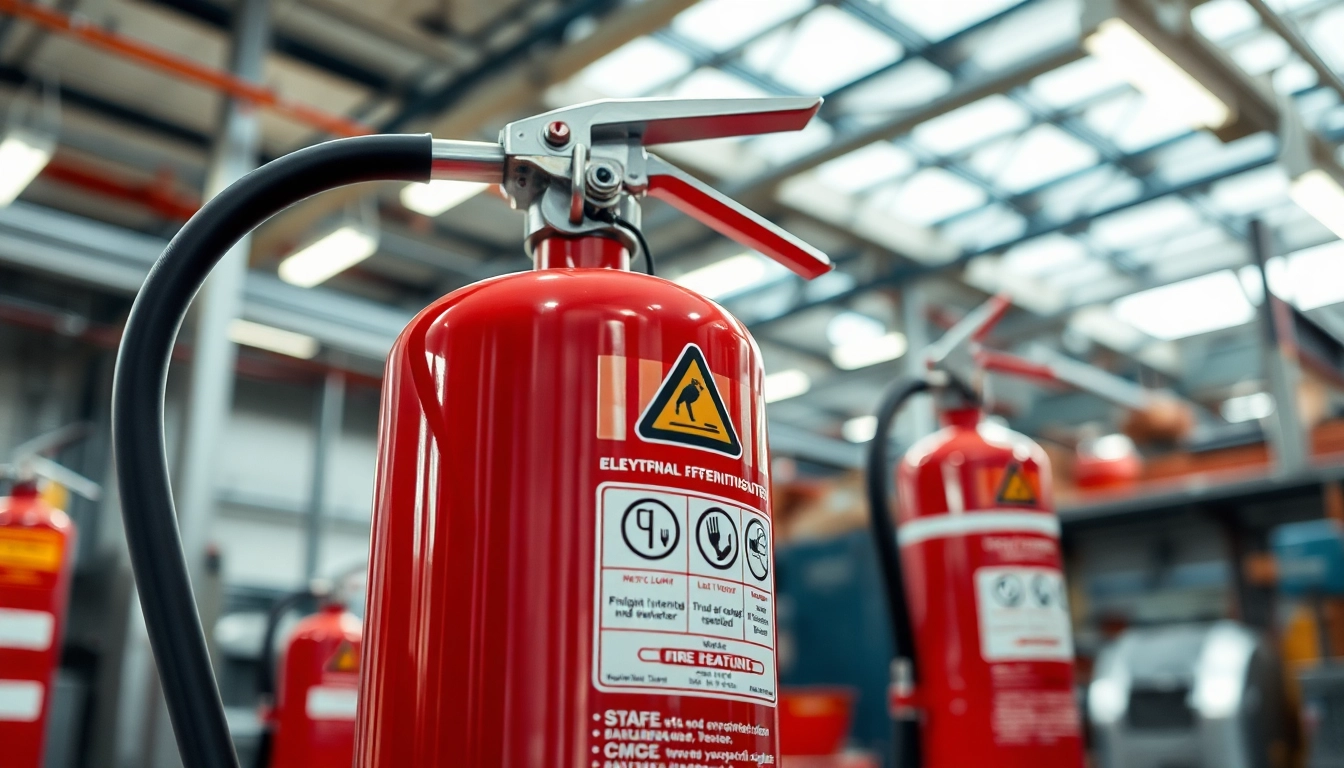
The Role of Electrical Fire Extinguishers
Electrical fires represent a significant risk in both commercial and residential settings, occurring when electrical equipment malfunctions or is misused. Thus, having a reliable electrical fire extinguisher is critical for safety and preparedness. But why exactly should you choose an electrical fire extinguisher over a standard option? And how can you effectively use it in emergencies? These questions, along with several others, are essential to understand the role these devices play in fire safety.
Why Choose an Electrical Fire Extinguisher?
Choosing the appropriate fire extinguisher is crucial, especially when dealing with electrical fires, which can erupt from short circuits, overloaded circuits, or faulty wiring. Many fire extinguishers are not designed to handle fires caused by electrical equipment—using the wrong kind may exacerbate the situation instead of alleviating it. An electrical fire extinguisher typically contains non-conductive agents that can safely extinguish fires without the risk of electrical shock.
Effective Use in Emergency Situations
Understanding how to effectively use an electrical fire extinguisher is vital. In an emergency, the first response should be to assess the situation. If the fire is small and manageable, follow the PASS technique: Pull the pin, Aim low, Squeeze the handle, and Sweep from side to side. Always ensure your safety first, and evacuate if the fire spreads uncontrollably. Knowledge can mean the difference between safety and catastrophe.
Common Myths Debunked
Several myths surround fire extinguishers, particularly those designed for electrical fires. One common misconception is that all fire extinguishers are the same and can put out any fire. In reality, using a standard water-based extinguisher on an electrical fire can be life-threatening. Another myth is that fire extinguishers require no training for use, which is false; knowing how to operate them properly is key to ensuring safety.
Types of Electrical Fire Extinguishers
Electrical fire extinguishers come in various types, each classified based on the materials they are meant to extinguish. The primary types suitable for electrical fires are Class C extinguishers, which can extinguish fires caused by electrical equipment. Understanding these classifications helps consumers make informed decisions when purchasing and using fire extinguishers.
Classifications of Fire Extinguishers
Fire extinguishers are categorized based on the type of fires they can extinguish: Class A for ordinary combustibles, Class B for flammable liquids, Class C for electrical equipment, Class D for combustible metals, and Class K for cooking oils. It’s crucial to ensure that the chosen extinguisher is classified for electrical fires, as using the wrong type can result in a fire worsening.
Best Options for Home and Business
When selecting an electrical fire extinguisher for home or business, consider the potential electrical hazards in the environment. For home use, a multipurpose extinguisher (Class A, B, and C) is often sufficient. In a business that uses numerous electrical devices, a specialized Class C extinguisher may be essential. Always opt for reliable brands known for quality and efficacy.
Choosing the Right Size and Capacity
Electrical fire extinguishers come in various sizes and capacities, typically measured in pounds. Smaller extinguishers weigh around 2-5 pounds and are suitable for household use, easily stored in kitchens or garages. Larger extinguishers weighing 10-20 pounds are better for commercial use, particularly in environments with heavy electrical equipment. It is pivotal to choose a size that is manageable for the intended user while also aligning with potential fire risks.
How to Use an Electrical Fire Extinguisher
Knowing how to properly operate an electrical fire extinguisher can save lives and property. It is essential to familiarize yourself with the mechanics of these devices before an emergency arises. Here’s a step-by-step guide to ensure readiness and effectiveness.
Step-by-Step Guide for Operation
1. Pull the pin: This releases the locking mechanism.
2. Aim low: Point the nozzle or hose at the base of the fire.
3. Squeeze the handle: This activates the extinguishing agent.
4. Sweep side to side: Move the extinguisher from side to side until the fire is extinguished.
It’s important to remember to maintain a safe distance—as recommended by the extinguisher’s labeling—while using it.
Safe Handling Practices
Safe handling of fire extinguishers involves regular checks for functionality, knowledge of expiry dates, and proper storage. Always inspect your fire extinguisher for visible signs of damage or corrosion. Store it in a location that is easily accessible and familiar to all occupants. This minimizes hesitation in emergencies.
Regular Maintenance and Inspection
Regular maintenance is crucial to ensure the reliability of fire extinguishers. Check pressure gauges monthly and ensure that extinguishers are fully charged. Annual professional inspections are recommended, in addition to recharging fire extinguishers after any use, even if it was just a small fire. Following these steps can keep you safe and ready for emergencies.
Importance of Electrical Fire Extinguisher Training
Having an electrical fire extinguisher is not enough. Training on how to operate it effectively is critical. Proper training ensures that individuals know not only how to use extinguishers but also when to use them appropriately.
Training Requirements for Staff
Businesses should have structured training programs for staff on fire emergency protocols. These programs should include fire extinguisher training, focusing on identifying different types of fires and when to use each type of extinguisher. Regular refresher courses can reinforce knowledge and maintain a high level of preparedness.
Emergency Preparedness Plans
Creating an emergency preparedness plan is vital for keeping everyone safe during a fire. This plan should include the location of fire extinguishers, emergency exits, and evacuation routes. Conducting regular reviews of this plan helps familiarize all occupants, reducing panic and chaos during an actual emergency.
Best Practices for Drills
Regular fire drills should simulate real-life scenarios to ensure that occupants know how to react in an emergency. During drills, practice using fire extinguishers to build confidence. Include feedback sessions after each drill to discuss what went well and what could be improved. These practices will enhance overall preparedness and safety.
Frequently Asked Questions about Electrical Fire Extinguishers
Your Questions Answered
What type of fire extinguisher should I use for electrical fires?
For electrical fires, use a Class C fire extinguisher, which is specifically designed for this type of hazard and contains non-conductive agents.
How long do fire extinguishers last?
The lifespan of a fire extinguisher can vary, but most should be replaced every 5-15 years. Regular inspections can help determine their condition.
Do I need to train my staff on using fire extinguishers?
Yes, training is essential. Properly trained staff can react quickly and effectively in emergencies, increasing safety and reducing damage.
Can I use water on an electrical fire?
No, using water on an electrical fire is dangerous. Water conducts electricity and can worsen the fire while posing a risk of electrocution.
How often should I inspect my fire extinguisher?
Fire extinguishers should be inspected monthly for signs of damage, pressure, and accessibility. Annual inspections by professionals are also recommended.