Understanding Certified Spray Foam Removal
What is Certified Spray Foam Removal?
Certified spray foam removal refers to the process in which professional services safely eliminate foam insulation from structures, ensuring compliance with industry standards and local regulations. This often involves utilizing specialized techniques and equipment to effectively and efficiently remove spray foam while minimizing damage to surrounding materials. The term “certified” signifies that the professionals performing the removal have received training and certification that meets safety standards, which is crucial for both the integrity of the building and the health of its occupants. certified spray foam removal sets the stage for a safe and reliable operation, where the specifics of installation, removal, and potential hazards are thoroughly understood.
Why Certification Matters for Removal?
The certification of spray foam removal professionals is paramount for multiple reasons. Firstly, it ensures that the team has undergone adequate training in handling various spray foam types and the unique challenges each presents during removal. Certified professionals are well-versed in the chemical composition of spray foams, which helps prevent exposure to hazardous materials during removal.
Secondly, having certified removal experts provides peace of mind for homeowners. Certifications often require that the professionals adhere to best practices, which include safety protocols and efficient methodologies tailored to protect the surrounding environment. Furthermore, certified services may provide warranties or guarantees, which can be a significant factor for home investors.
Types of Spray Foam Used in Homes
Spray foam insulation comes primarily in two types: open-cell and closed-cell foam. Open-cell foam is lighter and less dense, offering great sound insulation properties while allowing moisture to permeate, which can be beneficial in certain applications. Conversely, closed-cell foam is denser, providing superior insulation values and acting as a moisture barrier, making it suitable for areas prone to heavy moisture exposure, like basements or crawl spaces. Understanding the type of spray foam in your home aids in identifying the best removal practices, further emphasizing the importance of certified experts in the process.
Common Challenges in the Removal Process
Identifying Issues with Existing Spray Foam
Before diving into removal, it’s critical to identify any issues that the existing spray foam may have. Common problems include unintended installation in unsuitable areas, mold growth beneath or within the foam, or deterioration due to improper curing or moisture retention. Identifying these issues not only influences the removal strategy but also helps in planning the appropriate remedial measures post-removal.
Safety Considerations During Removal
The removal process of spray foam can pose several safety hazards. Without proper safeguards, workers may be exposed to harmful chemicals present in the foam or dust and debris generated during the removal. Safety gear such as masks, goggles, gloves, and disposable coveralls are essential. Ventilation of the area where the removal occurs is also crucial to minimize inhalation risks of any gaseous emissions.
Environmental Impact of Spray Foam
The environmental implications of spray foam are significant, primarily because it comprises petrochemicals and other materials that may harm the environment if not disposed of correctly. Furthermore, traditional landfills often cannot accommodate spray foam due to its chemical makeup. It is vital to engage certified professionals, as they are trained to handle such materials responsibly, ensuring compliance with environmental regulations.
Best Practices for Effective Removal
Preparation Steps for Certified Spray Foam Removal
Preparation is critical for a successful removal. Professional teams typically begin with a thorough assessment of the site and a review of the existing spray foam application. This assessment leads to the development of a customized removal plan considering the foam type, location, and any associated issues. Furthermore, the local area should be prepared by removing furniture and covering vents or pathways that could lead to contamination or accidents.
Using the Right Tools and Techniques
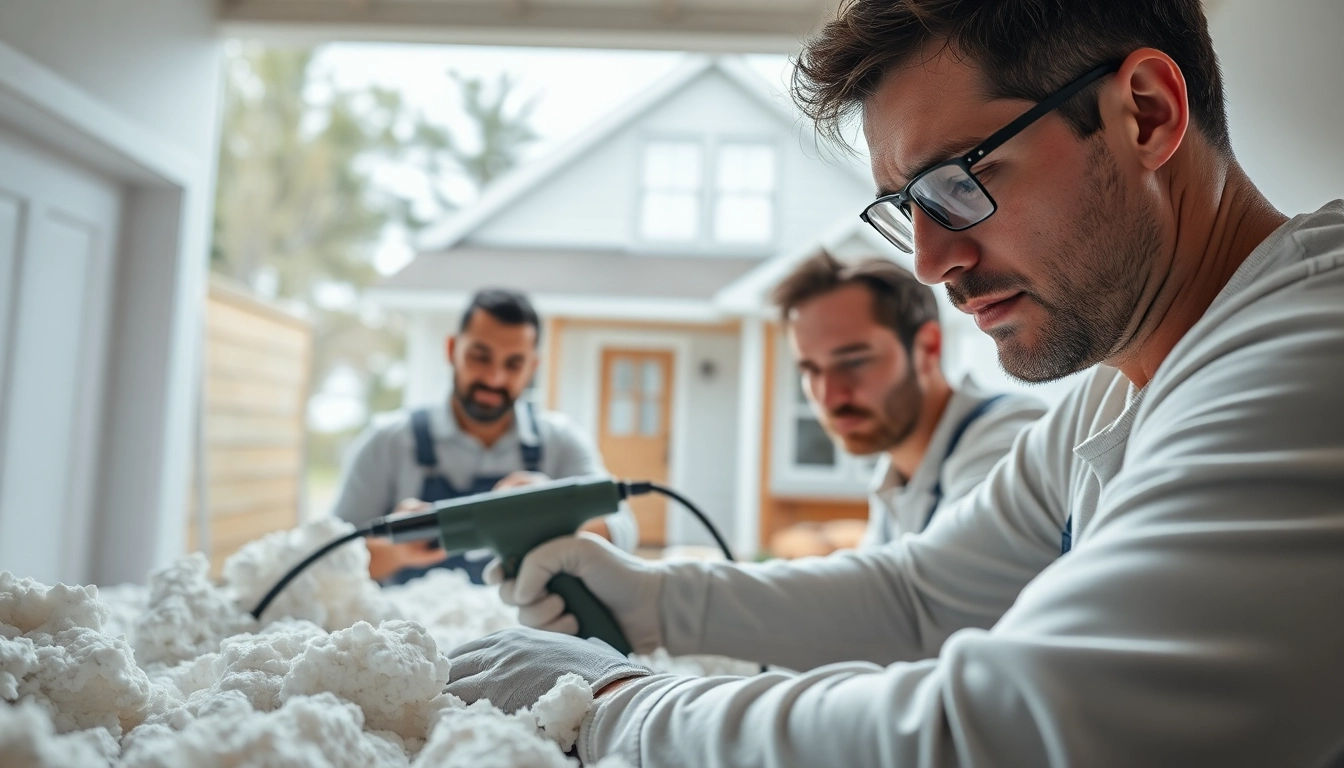
Effective removal of spray foam requires specialized tools and techniques. Professionals often use high-velocity air machines, scrapers, and saws specifically designed for foam removal. Moreover, employing methods such as softening the foam with heat or solvents can make the removal less labor-intensive and reduce the risk of damage to underlying materials. Having a comprehensive understanding of these tools ensures efficient, effective, and safe removal.
Post-Removal Cleanup and Inspection
Once the spray foam has been carefully removed, a thorough cleanup is essential. This includes vacuuming up debris, properly disposing of the removed foam, and conducting a detailed inspection of the area for any residual issues. If any mold or moisture problems are detected, immediate remediation is vital to prevent future complications. Completing this step ensures the work site is safe and ready for any next stages of insulation or renovations.
Comparing Costs and Benefits
Cost Factors Involved in Certified Spray Foam Removal
The cost of certified spray foam removal can vary greatly based on several factors: the amount of foam to be removed, the complexity of the installation site, and local labor rates. Additional expenses may accrue from necessary safety equipment, any associated repairs, and disposal fees. Understanding these factors helps homeowners budget appropriately for the removal process, ensuring no surprises arise during the project.
Long-Term Benefits of Proper Removal
Investing in certified spray foam removal presents numerous long-term benefits. Once successfully removed, homeowners can address any underlying moisture issues, reduce energy costs through effective insulation replacement, and improve indoor air quality. Moreover, properly removing problematic insulation can enhance the overall value of the property, as potential buyers are often wary of homes with inadequate or malfunctioning insulation.
Investing in Professional Services vs. DIY
While the allure of a DIY approach to spray foam removal can be tempting, it often poses greater risks than benefits. Professionals have the training, experience, and tools to perform the operation efficiently and safely. DIY methods can lead to improper removal, potential health hazards, and financial ramifications for improper disposal. Therefore, investing in certified services is often a more prudent choice.
FAQs about Certified Spray Foam Removal
How long does the removal process take?
The duration of the removal process typically ranges from several hours to a few days, depending on the volume of foam and site complexities. A closer inspection will provide a more accurate time estimate.
Can I stay in my home during removal?
It is not advisable to remain in the home during removal due to potential exposure to harmful chemicals or dust. Plan for temporary accommodations for safety.
What preparations are needed before removal?
Clear the area of furniture and cover any vents or openings to minimize exposure to dust. A thorough assessment is also essential before the process begins.
Are there risks associated with spray foam?
Yes, risks include chemical exposure during installation and removal, potential mold growth, and structural integrity issues if not properly managed. Certified professionals help mitigate these risks.
How can I ensure quality post-removal work?
After removal, conduct a thorough inspection, ensure all areas are cleaned properly, and check for any lingering moisture issues. Engage licensed professionals for subsequent insulation installation for best results.