Understanding the Role of a Plumber Near Me
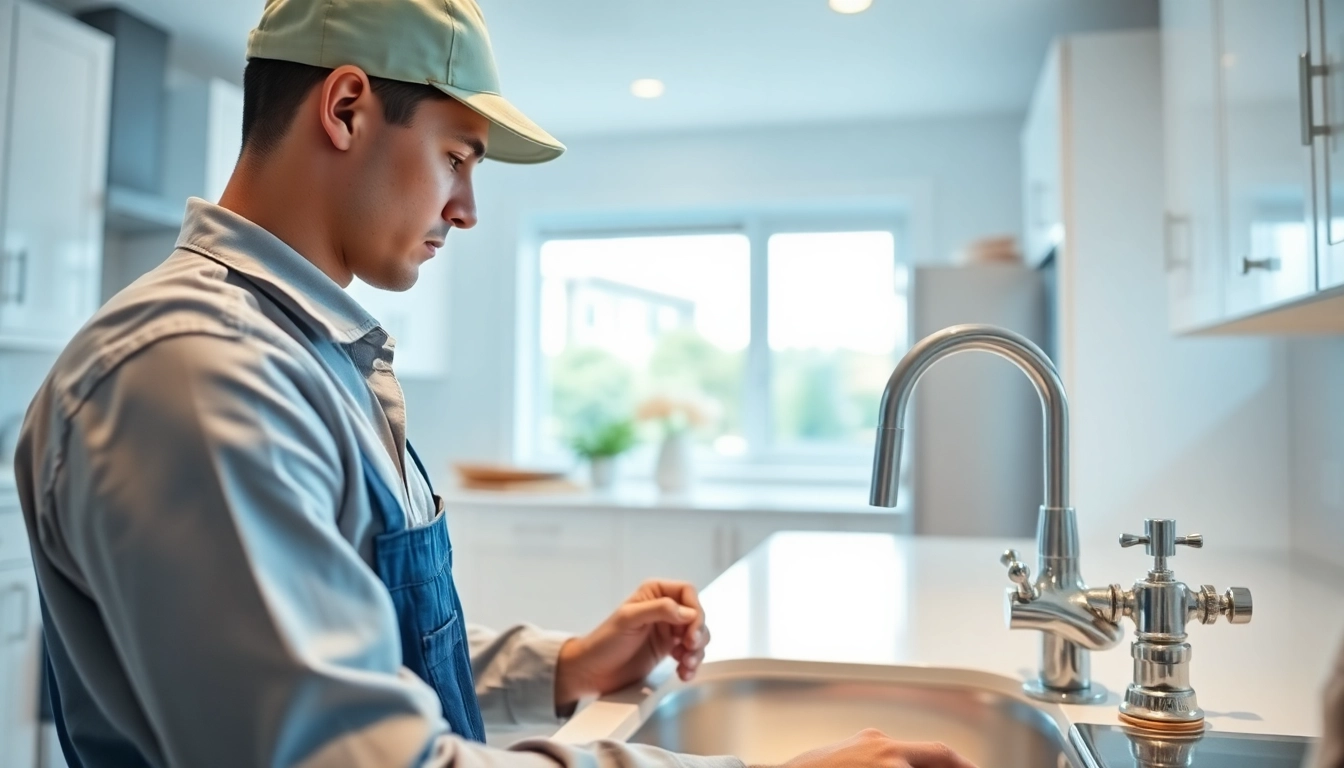
When faced with plumbing issues, the first step often involves searching for a reliable Plumber near me. Understanding the crucial role that plumbers play is essential for homeowners and businesses alike. Plumbers are skilled professionals who specialize in the installation, repair, and maintenance of plumbing systems, which include pipes, fixtures, and appliances.
What Services Do Local Plumbers Offer?
Local plumbers provide a wide array of services that cater to different plumbing needs. Their offerings typically include:
- Installation Services: This encompasses the installation of sinks, faucets, toilets, and water heaters, as well as complex systems like sewage and drainage.
- Repair Services: Local plumbers are equipped to handle leaks, burst pipes, and faucet drips, ensuring that plumbing systems function effectively.
- Maintenance Services: Routine inspections and maintenance services help prevent potential plumbing disasters, thus extending the lifespan of the plumbing infrastructure.
- Emergency Services: Many plumbers offer emergency services for urgent issues that require immediate attention, such as major leaks or drain blockages.
How to Assess Plumber Qualifications
Assessing a plumber’s qualifications is key to ensuring high-quality service. Consider the following factors:
- Licensing: Check if the plumber holds a valid state license, as this indicates they meet specific training and competency standards.
- Experience: Inquire about their experience in the field, particularly with the type of work you require.
- Certifications: Certifications from recognized organizations can provide additional credibility and indicate ongoing education in plumbing technologies and practices.
The Importance of Licensing and Insurance
Licensing and insurance are critical components of professionalism in plumbing. Licensed plumbers have demonstrated their capabilities through education, training, and examinations. Insurance protects both the plumber and the homeowner, covering potential damages or liabilities that could arise during the service. Always confirm a plumber’s licensing and insurance status before hiring their services.
Common Plumbing Issues and Solutions
Identifying Leaks and Drips
Leaks and drips can lead to significant water wastage and increase utility bills. Signs of leaks include:
- Water stains on walls or ceilings
- A sudden increase in water bills
- Mold or mildew growth
To address leaks, the first step is to locate the source, which can often require professional help. Common solutions include repairing or replacing worn-out seals, tightening connections, or replacing sections of piping as necessary.
Clogged Drains: Causes and Fixes
Clogged drains are one of the most common plumbing problems. Typical causes include:
- Accumulation of hair and soap scum in sinks and tubs
- Food particles trapped in kitchen drains
- Tree roots invading sewer lines
To fix clogged drains, homeowners can start by using a plunger or a drain snake. For more stubborn clogs, chemical drain cleaners or professional services may be required.
Water Heater Troubleshooting
Water heater issues can lead to uncomfortable living conditions due to lack of hot water. Common problems include:
- Not enough hot water
- Discoloration or strange odors coming from hot water
- Increased energy bills
Regular maintenance, including flushing the heater and checking the thermostat settings, can prevent many issues. However, extensive problems may require the expertise of a licensed plumber.
How to Choose the Best Plumber Near Me
Reading Reviews and Testimonials
Consumer feedback plays a significant role in selecting a successful plumbing professional. Online reviews on platforms such as Google and Yelp can provide insights into previous clients’ experiences. Look for patterns in reviews, positive or negative, to gauge a plumber’s reputation. Testimonial sections on company websites can also give the same perspective.
Cost Estimates and Budgeting for Services
Before hiring a plumber, it’s wise to request detailed estimates. A reputable plumber should provide a written estimate that covers labor, materials, and any additional fees. Budgeting for plumbing services should include an understanding of potential extra costs for emergencies or complex repairs.
Emergency Plumbing Services: What to Expect
Emergency plumbing services are designed to address urgent plumbing issues that can’t wait. Expect higher rates for after-hours services and ensure that the plumber you choose offers this service. In emergencies, quick response times and the ability to handle various problems are crucial for minimizing damage.
Essential Tools and Equipment Used by Plumbers
Basic Tools Every Plumber Should Have
Every professional plumber is equipped with a range of basic tools. Essential items include:
- Wrenches: Used for loosening and tightening fittings.
- Plungers: Essential for tackling clogs.
- Pipe cutters and snips: Necessary for cutting pipe material safely.
Advanced Equipment for Complex Fixes
For larger or more complex plumbing issues, advanced tools such as video inspection equipment can help identify clogs deep within pipes. Hydro-jetting machines are used to clear stubborn blockages efficiently, while drain cameras allow plumbers to view the inside of pipes for diagnosis.
Technology in Plumbing: Innovations to Note
The plumbing industry has seen innovations such as smart water leak detectors and automated shut-off valves that signal homeowners of potential issues before they escalate. These advanced solutions not only enhance reliability but also save water and reduce costs.
Frequently Asked Questions About Local Plumbing Services
How to Prevent Plumbing Problems?
Regular maintenance, including inspections and timely repairs, can prevent plumbing issues. Avoid flushing improper items and ensure drains are clear to minimize clogs.
What Should I Do in a Plumbing Emergency?
Shut off the main water supply to prevent further damage and contact a professional plumber immediately for urgent issues like major leaks or flooding.
How Often Should I Schedule Plumbing Inspections?
It’s advisable to schedule plumbing inspections at least once a year to catch potential issues early and maintain a healthy plumbing system.
Can I Fix Minor Plumbing Issues Myself?
Many minor plumbing issues can be addressed by homeowners, such as unclogging drains or tightening loose fittings. However, complex issues should always be handled by a professional.
How Are Plumber Fees Typically Structured?
Plumbing fees may be structured as flat rates or hourly charges. Discuss the pricing structure upfront to avoid unexpected expenses when the service is completed.