
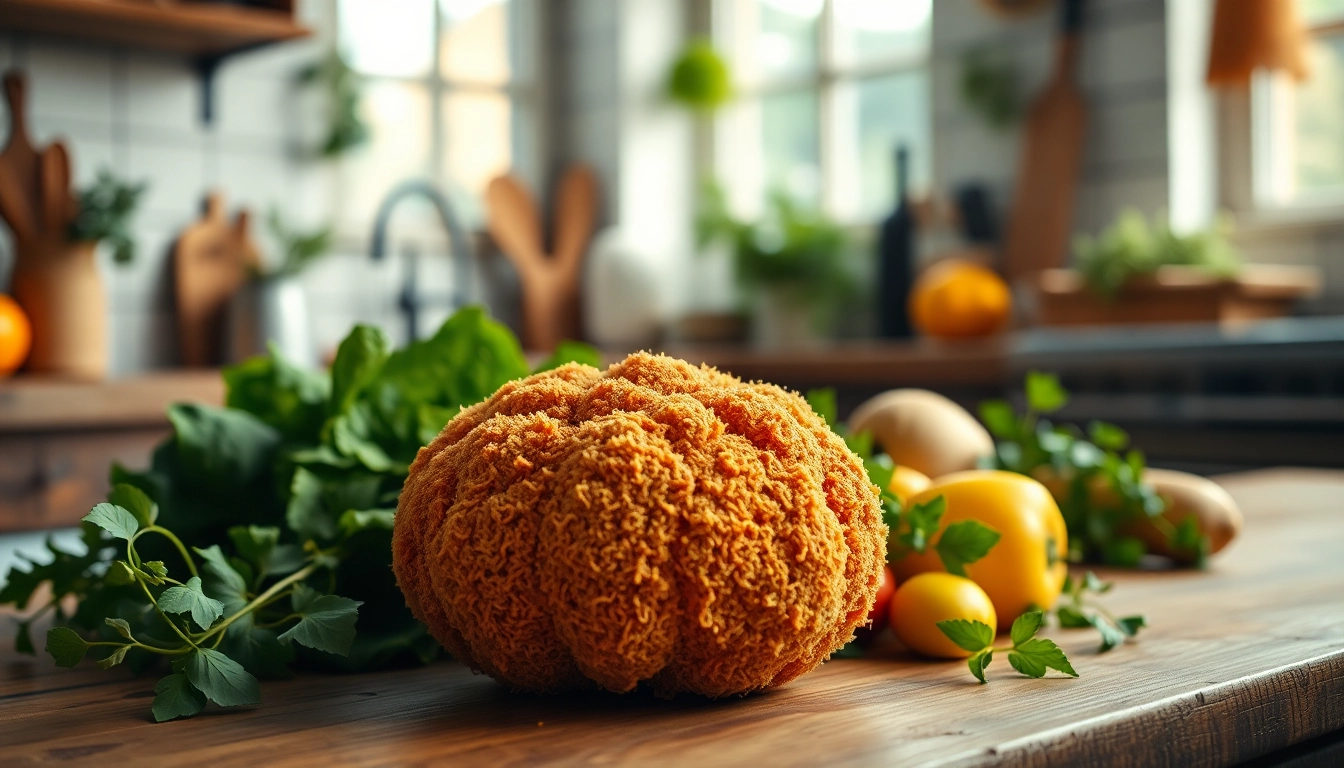
Understanding Kitchen Loofah Benefits
Kitchen loofahs are quickly gaining recognition for their versatility and eco-friendliness. More than just a mere cleaning tool, they offer numerous advantages that can benefit your kitchen tasks and the environment. By exploring the kitchen loofah benefits, you’ll find that these natural sponges can improve your cleaning habits while being gentle on the planet.
What is a Kitchen Loofah?
A kitchen loofah, often referred to simply as “loofah,” is derived from the dried fruit of the luffa plant, which belongs to the cucumber family. When harvested, the pulp of the fruit is removed, leaving behind a fibrous skeleton that is both sturdy and flexible. Unlike synthetic sponges, kitchen loofahs are entirely organic, biodegradable, and compostable, making them a fantastic choice for eco-conscious consumers.
Natural Composition and Eco-friendliness
The natural composition of kitchen loofahs is a key factor in their eco-friendliness. They are free from harmful chemicals and additives found in synthetic sponges. Additionally, their biodegradable nature ensures that they won’t contribute to landfill waste, making them a sustainable alternative in your home. By choosing kitchen loofahs, you reduce plastic dependency and promote a healthier environment.
Health Benefits of Using Kitchen Loofahs
Incorporating kitchen loofahs into your cleaning routine offers various health benefits. They provide a natural and effective way to scrub surfaces without leaving behind potentially harmful residues associated with synthetic cleaners. Using loofahs can also help you maintain hygiene by eliminating germs from kitchen surfaces, thereby reducing the risk of foodborne illnesses.
How to Use Kitchen Loofahs Effectively
Cleaning Fruits and Vegetables
One of the most effective uses for kitchen loofahs is cleaning fruits and vegetables. Their natural fibers help scrub away dirt and pesticides without damaging the surface of produce. Simply wet the loofah and use it to gently scrub the skin of your fruits and vegetables before rinsing them under water. This ensures that you consume fresh and clean produce.
Scrubbing Dishes and Pots
Kitchen loofahs are also excellent for washing dishes and pots. Their abrasive texture easily removes stubborn food residues and grease without scratching your cookware. Use a loofah with your favorite dish soap, and you’ll find that dishes come clean quickly and effectively. Moreover, they can be rinsed and reused, making them a more efficient option than traditional sponges.
Exfoliating Skin in Kitchen Tasks
Surprisingly, kitchen loofahs are also beneficial for your skin. When used on your hands while cooking or cleaning, they can exfoliate and smooth rough skin, leaving your hands feeling refreshed. They can be especially useful if you spend long hours in the kitchen, ensuring your skin remains healthy and rejuvenated.
Comparing Kitchen Loofah Benefits with Synthetic Alternatives
Environmental Impact of Synthetic Sponges
Synthetic sponges are made from non-biodegradable materials, such as polyester and foam, which can take hundreds of years to decompose. Their production processes also release harmful toxins into the environment. In contrast, kitchen loofahs have a minimal ecological footprint, saving energy during production and decomposing naturally after use.
Cost-effectiveness of Kitchen Loofahs
While the initial cost of kitchen loofahs may be slightly higher than synthetic sponges, they prove to be more cost-effective in the long run. With proper care, a kitchen loofah can last for several months, whereas synthetic sponges typically have a shorter lifespan and must be replaced more frequently, leading to ongoing costs.
Longevity and Durability of Natural Loofahs
Natural loofahs are surprisingly durable. When properly maintained, they can withstand multiple cleaning tasks without losing their shape or effectiveness. Their natural fibers allow them to air out quickly and avoid unpleasant odors, which often plague traditional sponges, making them an ideal choice for kitchen use.
Maintaining Your Kitchen Loofah for Maximum Benefits
Proper Cleaning Techniques
To ensure your kitchen loofah remains effective, it’s essential to clean it regularly. Rinse it thoroughly after each use to remove food particles and soap residue. Soaking it in a solution of vinegar and water every few weeks can also help disinfect it and maintain its freshness.
Drying and Storing Loofahs
After cleaning, always hang your kitchen loofah to dry in a well-ventilated area. This prevents the growth of bacteria and mold. Store it in a dry environment, away from direct sunlight, to prolong its lifespan. Avoid storing loofahs in closed containers where moisture can accumulate.
Signs of Replacement and Eco-conscious Disposal
Even though kitchen loofahs are durable, they will eventually show signs of wear. Look for fraying edges, discoloration, or an unpleasant odor as indicators that it’s time to replace your loofah. When disposing of it, compost it if possible, or throw it in your organic waste bin, ensuring it decomposes naturally.
FAQs about Kitchen Loofah Benefits
Are kitchen loofahs good for the environment?
Yes, kitchen loofahs are biodegradable and compostable, making them a sustainable choice compared to synthetic sponges that contribute to plastic waste.
How do kitchen loofahs compare to synthetic sponges?
Kitchen loofahs are natural, eco-friendly, and more durable than synthetic sponges, which are often made from non-biodegradable materials and have a shorter lifespan.
Can I use kitchen loofahs on my skin?
Yes, kitchen loofahs make great exfoliating tools for your skin, helping to remove dead skin cells and promoting smoothness when used gently.
How long do kitchen loofahs last?
With proper care, kitchen loofahs can last several months. Regular cleaning and drying are essential for maximizing their lifespan.
What are the health benefits of using kitchen loofahs?
Kitchen loofahs help maintain cleanliness by effectively scrubbing away dirt and germs without leaving harmful chemical residues, promoting hygiene and health.