
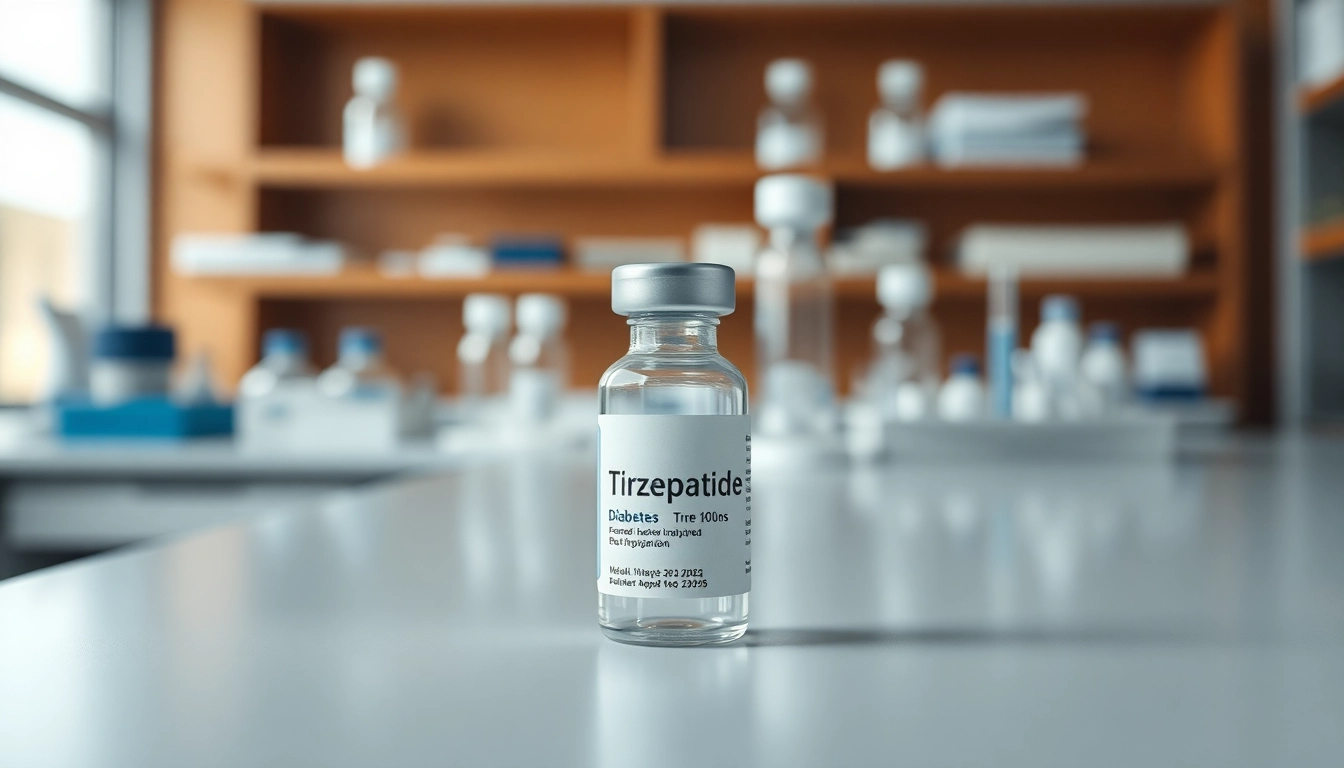
What is Tirzepatide?
Overview and Mechanism
Tirzepatide is a groundbreaking medication that has recently emerged as a significant player in the management of type 2 diabetes and obesity. Being a novel dual agonist, it primarily targets two vital receptors: the glucagon-like peptide-1 (GLP-1) receptor and the glucose-dependent insulinotropic polypeptide (GIP) receptor. By stimulating these receptors, Tirzepatide enhances insulin secretion, reduces appetite, and improves glucose regulation. This dual mechanism of action differentiates Tirzepatide from traditional treatments, making it a focal point in diabetes and weight management therapy. For comprehensive insights about Tirzepatide, visit Tirzepatide.
Indications and Approved Uses
The primary indications for Tirzepatide include the treatment of adults with type 2 diabetes and as an adjunctive therapy for weight management in patients with obesity or those who are overweight with associated comorbidities. The approval of Tirzepatide by regulatory bodies like the FDA marks a transformative step in diabetes care, offering a new therapeutic option aimed at metabolic health improvement.
Differences from Other Treatments
Unlike many conventional diabetes medications, Tirzepatide functions through a dual pathway, which not only assists in controlling blood sugar levels but also aids significantly in weight loss. Other treatments may primarily focus on insulin management or glucose reduction without addressing weight, a critical aspect for many patients. Moreover, Tirzepatide’s dosing schedule (once weekly) improves patient compliance compared to daily medication regimens.
Benefits of Tirzepatide
Weight Management Effects
Tirzepatide has demonstrated considerable efficacy in promoting weight loss among individuals with type 2 diabetes and those without diabetes. Clinical trials have shown significant reductions in body weight, leading to improvements in overall metabolic health. The medication reduces feelings of hunger by acting on appetite-regulating centers in the brain, contributing to a more sustainable approach to weight management.
Glycemic Control and Diabetes Management
One of the most significant benefits of Tirzepatide lies in its ability to improve glycemic control. By enhancing insulin secretion in response to meals and decreasing glucagon release, this medication effectively lowers blood glucose levels. Further studies indicate that patients using Tirzepatide achieved better HbA1c levels compared to those on other treatments, enhancing its profile as a go-to option in diabetes management.
Patient Quality of Life Improvements
The use of Tirzepatide does not only focus on physiological outcomes; it significantly impacts patients’ quality of life. With reduced weight and improved sugar control, many patients report enhanced energy levels and improved physical activity. Psychological benefits, including boosted self-esteem and motivation due to noticeable health improvements, also contribute to a better overall patient experience.
Administration and Dosage of Tirzepatide
Recommended Dosage Guidelines
The standard starting dose of Tirzepatide for managing type 2 diabetes is typically 5 mg once a week, which may be gradually increased to 10 mg or 15 mg depending on patient tolerance and glycemic response. It’s essential to follow a healthcare provider’s guidance tailored to individual health needs and responses.
How to Administer Tirzepatide
Tirzepatide is administered subcutaneously, making it convenient for patients to inject themselves at home. Common injection sites include the abdomen, thigh, or upper arm. Proper preparation, including washing hands and selecting a clean injection site, is crucial to ensure safety and effectiveness. Patients are advised to rotate injection sites to prevent skin problems.
Tips for Effective Use
For the effective use of Tirzepatide, patients should maintain a consistent schedule by taking the medication on the same day each week. It is also beneficial to pair the medication with lifestyle modifications, such as a balanced diet and exercise, to maximize health benefits. Keeping a log of daily experiences can help in discussions with healthcare providers to refine treatment plans.
Potential Side Effects and Considerations
Common Side Effects to Monitor
Patients using Tirzepatide might experience common side effects, including nausea, vomiting, diarrhea, and decreased appetite. These symptoms often diminish over time as the body adjusts to the medication. It’s crucial for patients to communicate any persistent or bothersome side effects to their healthcare provider for further evaluation.
Rare But Serious Risks
While Tirzepatide is generally well-tolerated, there are rare but serious risks to be aware of, including pancreatitis and kidney problems. Patients are advised to seek immediate medical attention if they experience severe abdominal pain or changes in urination. Monitoring kidney function is particularly important for patients with existing renal issues.
Monitoring Health During Treatment
Regular follow-up visits are essential for patients undergoing treatment with Tirzepatide. Healthcare professionals will monitor blood glucose levels, weight loss progress, and check for potential side effects. Patients should adhere to recommended laboratory tests, including HbA1c and renal function, to ensure overall health and treatment efficacy.
Future Research and Developments
Current Studies Involving Tirzepatide
Research continues into the multifaceted benefits of Tirzepatide. Ongoing clinical trials are evaluating its long-term safety and efficacy, user adherence rates, and comparative outcomes with traditional diabetes treatments. These studies are crucial for broadening the understanding of Tirzepatide’s role in metabolic disorders.
Upcoming Approvals and Innovations
As the demand for innovative diabetes therapies rises, there is anticipation for upcoming regulatory approvals for Tirzepatide for extended indications, including potential use in combating obesity in younger populations and the investigation of its cardiovascular benefits.
Impacts on Diabetes Treatment Landscape
Tirzepatide’s introduction into the diabetes treatment paradigm represents a substantial shift towards more effective management strategies. With dual action addressing both glycemic control and weight loss, it sets a new standard for future treatment options and creates pathways for refining patient-centered care models.
Frequently Asked Questions
1. What is the primary use of Tirzepatide?
Tirzepatide is primarily used for the management of type 2 diabetes and weight management in adults with obesity or those overweight with associated conditions.
2. How is Tirzepatide administered?
Tirzepatide is administered subcutaneously, typically once a week. Injection sites can include the abdomen, thigh, or upper arm.
3. What are the common side effects of Tirzepatide?
Common side effects may include nausea, vomiting, diarrhea, and decreased appetite. These usually improve over time.
4. Can Tirzepatide be used by those without diabetes?
Yes, Tirzepatide can be used for weight management in individuals who are overweight or have obesity, even if they do not have diabetes.
5. What monitoring is recommended while on Tirzepatide?
Patients should have regular follow-ups to monitor blood glucose levels, weight loss progress, and overall health to manage any potential side effects.